RO Membranes: What and How They Work, & Why Your Facility Needs Them
If your production depends on clean, consistent water, your RO membranes are not just another line item. They are critical process assets that protect product quality, equipment, and uptime. Yet many industrial facilities treat RO membranes as a black box until something fails.
In this guide, we will break down what RO membranes are, how they work inside industrial RO systems, and why investing in the right membranes and maintenance program directly impacts your bottom line.
What Are RO Membranes?
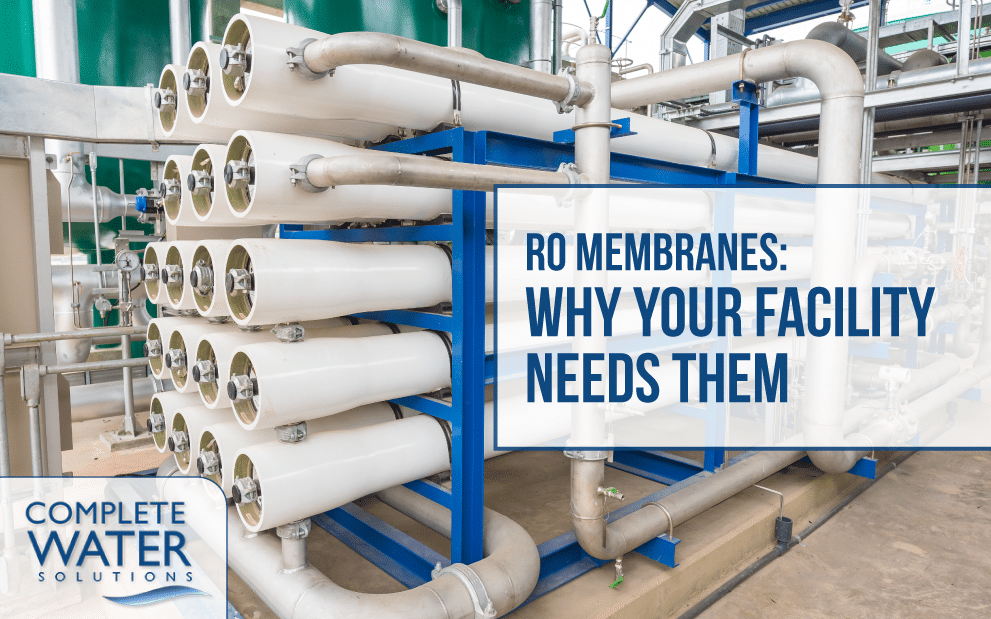
Reverse osmosis (RO) membranes are semi-permeable barriers engineered to separate dissolved solids and contaminants from water. Under pressure, they allow water molecules to pass through while rejecting salts, organics, bacteria, and other impurities.
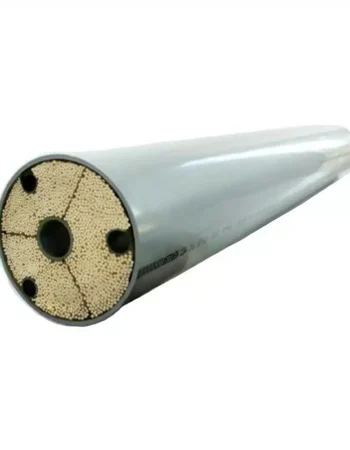
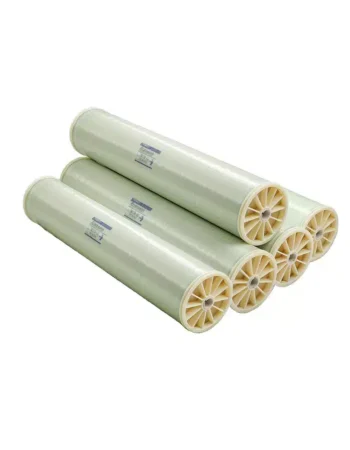
In most industrial RO systems, membranes are packaged in spiral wound elements inside pressure vessels. Each element is built from multiple layers:
-
A thin RO membrane sheet
-
Feed channel spacers that create flow paths
-
Permeate collection material
-
A central perforated tube to collect the purified water
As feedwater flows across the membrane surface, purified permeate is pulled through the membrane layers and into the center tube, while concentrated reject (brine) exits the vessel carrying away the removed contaminants.
The result is high purity water suitable for demanding applications such as beverage production, pharmaceutical manufacturing, power generation, food processing, and mining.
How RO Membranes Work Inside Industrial RO Systems
RO membranes do not operate in isolation. They are the heart of your industrial RO system, working in a coordinated sequence of processes.
Key Stages In An Industrial RO System
-
Pretreatment
Filtration, softening, chemical dosing, or other pretreatment reduces particulates, hardness, iron, and biological load before the RO. This protects the membranes and extends their life. -
High Pressure Pumping
A high pressure pump forces pretreated water across the RO membranes at the required pressure to overcome osmotic pressure and drive permeate through the membrane. -
Membrane Separation
-
Permeate: Low conductivity, high quality water leaving through the center tube.
-
Concentrate: Higher salinity stream that carries rejected contaminants to drain or recovery processes.
-
-
Controls, Monitoring, and Instrumentation
Flow, pressure, conductivity, and other parameters help you verify that your RO membranes and entire system are performing within design specifications.
Complete Water Solutions designs, services, and optimizes industrial RO systems to ensure each stage supports long membrane life, consistent water quality, and predictable operating costs.
Why High Performing RO Membranes Matter For Industrial Facilities
For industrial business owners, RO membranes impact much more than water quality on a lab printout. They influence regulatory compliance, product consistency, asset life, and production uptime.
Food and Beverage Manufacturing
In beverage and food production, RO membranes help:
-
Protect taste, clarity, and consistency across batches
-
Reduce scaling and corrosion in downstream equipment
-
Support compliance with internal quality standards and external regulations
Any drop in RO performance can show up as off-spec product, higher chemical usage, more line cleaning, or unplanned downtime.
Pharmaceutical and Animal Health Manufacturing
Pharma and animal pharmaceutical facilities require controlled, validated water quality. RO membranes are often part of multi-stage purification trains feeding USP, process, or ingredient water. Poor membrane performance can:
-
Compromise batch quality and compliance
-
Increase bioburden and endotoxin risk
-
Drive up costs for polishing steps and sanitization
Power, Energy, and Boiler Applications
For power plants and energy producers, RO membranes significantly reduce dissolved solids to protect boilers, turbines, and heat exchangers. If RO performance degrades, you may see:
-
Accelerated scaling and deposits
-
Higher blowdown volumes and energy costs
-
Increased maintenance and shortened equipment life
Mining and Heavy Industry
In mining and heavy industry, RO membranes often support process water reuse and discharge compliance. Fouled or failing membranes can cause:
-
Higher fresh water consumption
-
Effluent noncompliance risks
-
Increased sludge and waste handling costs
Across all these sectors, well selected and well maintained RO membranes are an operational necessity, not a luxury.
Common RO Membrane Problems (And How To Avoid Them)
Even the best RO membranes will lose performance if they are not monitored and maintained correctly.
Typical RO Membrane Issues
-
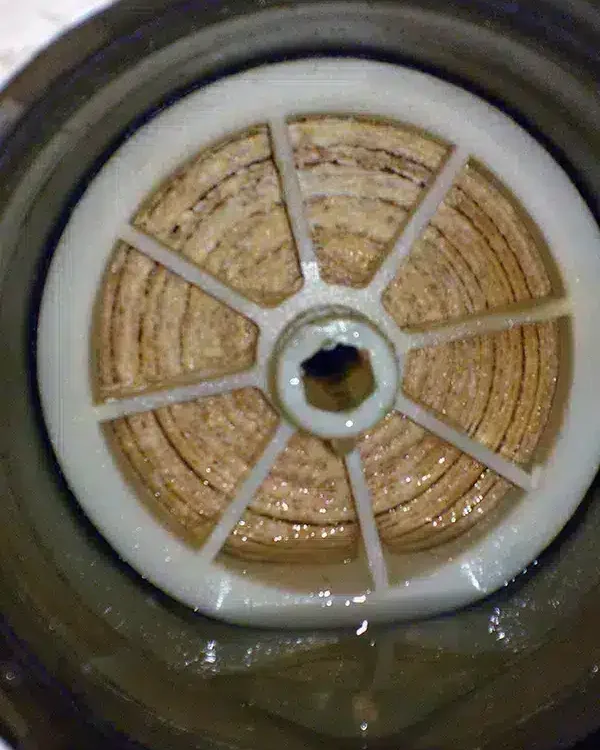
Fouling
Colloids, organics, and suspended solids build up on the membrane surface, reducing flow and increasing pressure drop. -
Scaling
Minerals such as calcium carbonate or sulfate compounds precipitate and form hard deposits on the membrane. -
Biofouling
Bacteria and biofilm restrict flow and can compromise water quality. -
Chemical or Oxidative Damage
Exposure to incompatible cleaners, oxidants, or extreme conditions can permanently damage membrane surfaces.
Industry best practice is to clean RO membranes before performance drops too far. When normalized permeate flow declines noticeably from start-up conditions or pressure differential climbs significantly, cleaning should not be delayed. Waiting too long often makes full recovery impossible and leads to premature membrane replacement.
Complete Water Solutions helps customers interpret operating data, identify early warning signs, and act before damage becomes irreversible.
Keeping Your RO Membranes At Peak Performance
The right cleaning and maintenance strategy is just as important as selecting the right RO membranes.
On Site Clean In Place (CIP) Membrane Cleaning
Many industrial RO systems include a CIP system that allows you to:
-
Clean membranes in place without full removal
-
Limit downtime to the cleaning window
-
Return the system to service quickly after cleaning
If your industrial RO system is not equipped with CIP, Complete Water Solutions can design and install a CIP package compatible with your existing equipment.
Off Site Membrane Cleaning And Evaluation
In lean operations, it is often cost effective to remove membrane elements and send them off site for:
-
Intensive soaking and multiple cleaning cycles
-
Individual element testing to identify which membranes truly require replacement
-
Visual inspection of housings and elements for mechanical or installation issues
-
Customized cleaning protocols based on water analysis and foulant identification
Off site cleaning reduces chemical handling at your facility and can significantly reduce total membrane replacement cost over time.
Chemicals And Cleaning Programs
Effective cleaning requires the right chemistry for the right foulant. Complete Water Solutions uses and recommends:
-
Coagulants and flocculants in pretreatment to reduce load on membranes
-
Antiscalants to control mineral precipitation
-
Membrane compatible antimicrobials to manage biological activity
-
Specialized acidic and alkaline cleaners tailored to your foulants
We help you design cleaning programs based on actual water quality, operating data, and membrane inspection results, not guesswork.
Membrane Autopsies And Data Logging
To understand chronic performance issues, membrane autopsies can be performed at different levels of detail, from basic foulant identification to full performance characterization and cleaning tests.
Complete Water Solutions also provides RO membrane cleaning logs and digital documentation through an online customer portal, so you can:
-
Track cleaning history and performance trends
-
Plan maintenance before problems impact production
-
Maintain records for audits and regulatory requirements
Why Partner With Complete Water Solutions For RO Membranes And Industrial RO Systems
Complete Water Solutions is a national provider of industrial water treatment solutions with deep experience in RO membranes and industrial RO systems across food, beverage, pharmaceutical, energy, mining, and manufacturing.
When you work with us, you get:
-
Decades of experience
Over 50 years of combined experience designing, installing, cleaning, and troubleshooting RO systems. -
Full life cycle support
Membrane selection, system design, startup, on site and off site membrane cleaning, autopsies, and ongoing optimization. -
Top tier products and OEM access
As a Veolia Water Technologies & Solutions channel partner and distributor, we supply OEM Veolia membranes along with robust alternatives for many systems. -
Emergency service and rapid response
24/7 phone and video tech support, plus emergency on site service to get you back online when an RO failure stops production. -
Paperless documentation and training
An online customer portal for logs, quotes, work history, and troubleshooting resources, along with in person and remote training options.
We support facilities across the United States and provide parts, training, and services worldwide.
Ready To Optimize Your RO Membranes?
If your facility relies on RO membranes for product quality, regulatory compliance, or equipment protection, you cannot afford trial and error. Whether you are planning a new industrial RO system, facing recurring fouling issues, or trying to reduce membrane replacement costs, Complete Water Solutions is ready to help.
Contact our industrial water treatment experts to:
-
Evaluate the condition and performance of your current RO membranes
-
Design or upgrade an industrial RO system tailored to your production and quality goals
-
Implement a proactive maintenance and cleaning program that protects your investment
Contact Complete Water Solutions today to schedule a consultation and keep your RO membranes working at their highest potential.
With over 30 years of hands-on experience in the water treatment industry, Nathan Olszak is a trusted water treatment expert. He specializes in designing, engineering, and servicing water treatment systems. As the owner of Complete Water Solutions, Osmonics, and Membrane Cleaning Pro, Nathan has built a reputation for delivering customized water treatment solutions that enhance efficiency, reliability, and water quality across various industries, including the medical, commercial, and manufacturing sectors.
Nathan’s journey in water treatment began as a service technician. He gained in-depth knowledge by working with all major brands of equipment, including Veolia, Suez, Bruner, Culligan, Pentair, Aquamatic, Osmonics, GE Water, Marlo, Lakeside, Fleck, Autotrol, US Filter, ION Pure, Siemens, Evoqua, and many others. This hands-on expertise, combined with his technical certifications, has made him a leader in water system engineering and water management.
Credentials & Expertise
- Certifications: David H. Paul Reverse Osmosis Certification, PLC Programming
- License: Power Plant Operating Engineer 3rd Class
- Specialties:
- Design & engineering of water treatment systems and advanced water systems
- Custom water filtration systems and solutions
- Installation, automation, and repair of water treatment systems
- Expertise in Reverse Osmosis (RO), Deionization, Water Softening, Carbon Filtration, Iron Filtration, UV Treatment, Ultrafiltration (UF), Process Filtration, CEDI/EDI, and more
- Specialized knowledge in Boiler Feed Water, Tower Makeup Water, and drinking water production for industries such as bottling, pharmaceuticals, and food processing
- Project management and reclaiming of water system waste for other uses
- Evaluation of raw water sources and potential contamination risks
- Industrial water treatment strategies to prevent corrosion and optimize system performance
- Boiler water treatment to enhance energy efficiency and system longevity
Nathan’s commitment to excellence extends beyond equipment sales and service. He works closely with clients to develop tailored water treatment services that optimize performance and meet their operations’ unique demands. His expertise covers methods that mitigate water impurities, ensure fresh water accessibility, and maintain regulatory compliance. It also includes the design of high-efficiency reverse osmosis systems for industrial use.
Nathan focuses on the latest technology in water conditioning, water softeners, filters, and pumps to improve maintenance and efficiency. His experience in laboratory testing and biofilm control ensures the highest industry standards in water treatment processes and water management.
Additionally, his deep understanding of infrastructure and water data analysis provides long-term, cost-effective solutions that promote health and safety. His expertise ensures that businesses receive top-tier, quality water treatment solutions.
For insights into the latest industry trends, innovations, and best practices, explore the Complete Water Solutions Blog, where Nathan shares valuable information on water filtration systems, sustainability, and water solutions engineering.
Give Us A Call (855) 787-4200 or Email info@complete-water.com