Extending RO Membrane Life in Beverage Facilities
The Best Practices for Extending RO Membrane Life in Beverage Facilities
In beverage manufacturing, water quality directly impacts product consistency, regulatory compliance, and operational efficiency. Whether producing soft drinks, bottled water, energy drinks, beer, or flavored beverages, reverse osmosis (RO) systems play a critical role in delivering purified water that meets strict production standards. However, RO membranes are one of the most important and expensive components of an industrial water treatment system.
For beverage facilities, extending RO membrane life is not just a maintenance goal. It is a strategic way to reduce downtime, lower operating costs, improve production reliability, and protect product quality. With the right maintenance practices and pre-treatment strategies, manufacturers can significantly improve RO membrane performance while maximizing the return on their water treatment investment.
Why RO Membrane Life Matters in Beverage Facilities
RO membranes are responsible for removing dissolved solids, bacteria, organics, and other contaminants from process water. Over time, membranes naturally experience wear from constant exposure to minerals, particles, biological contaminants, and fluctuating water conditions.
When membranes begin to foul or degrade prematurely, beverage facilities often experience:
- Reduced water flow and production efficiency
- Higher energy consumption
- Increased cleaning frequency
- Inconsistent water quality
- Costly production downtime
Replacement costs can also increase significantly when membranes fail earlier than expected.
Because beverage manufacturing depends on precise water quality standards, even small decreases in RO performance can create operational challenges. Proactively protecting RO membranes helps facilities maintain consistent production while avoiding unnecessary expenses.
The Importance of Proper Pre-Treatment
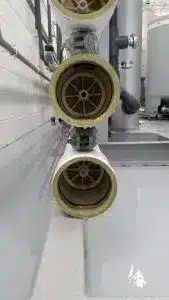
One of the most effective ways to extend RO membrane life is through proper pre-treatment. Many membrane failures are not caused by the membrane itself, but by contaminants entering the system upstream.
Pre-treatment systems help remove particles, chlorine, hardness minerals, and biological contaminants before water reaches the RO membranes. Without proper pre-treatment, membranes become vulnerable to scaling, fouling, and biofilm buildup.
Preventing Biofilm and Fouling
Biofilm buildup is a major concern in beverage facilities because bacteria can survive upstream treatment processes and multiply on membrane surfaces. Once biofilm forms, membranes become less efficient and more difficult to clean.
Installing high-efficiency pre-filters before the RO system can dramatically reduce microbial contamination and particulate loading. Advanced pleated filters, for example, provide greater surface area and more precise contaminant capture compared to traditional melt-blown filters.
Facilities should also closely monitor chlorine breakthrough from carbon filters, sediment loading, water hardness levels, differential pressure across filters, and organic contamination levels. Identifying these issues early helps beverage manufacturers prevent irreversible membrane damage and maintain long-term system efficiency.
Regular Cleaning and Maintenance Are Essential
Even with strong pre-treatment, RO membranes require regular maintenance to operate efficiently. Over time, contaminants accumulate on membrane surfaces and reduce system performance.
Routine cleaning schedules help remove scaling, biological growth, and fouling before permanent damage occurs. Beverage facilities that delay cleaning often experience shortened membrane life and reduced permeate quality.
Key maintenance best practices include scheduling routine Clean-in-Place (CIP) procedures, monitoring Total Dissolved Solids (TDS), checking system pressure and flow rates, replacing pre-filters regularly, and inspecting membranes for early signs of fouling.
Tracking performance trends over time allows operators to identify gradual declines before they become major operational issues.
Monitor Water Quality Closely
Source water quality has a direct impact on RO membrane lifespan. Municipal and well water supplies can fluctuate seasonally, introducing varying levels of minerals, organics, and suspended solids into the treatment system.
For beverage manufacturers, maintaining stable water quality is critical for both product consistency and equipment protection.
Facilities should routinely monitor TDS levels, pH balance, hardness, chlorine concentration, iron and manganese levels, turbidity, and microbial activity. Sudden increases in TDS or pressure drop often indicate membrane fouling or declining membrane performance. Early detection allows facilities to respond before production quality is affected.
Avoid Common Causes of Premature Membrane Failure
Several avoidable issues commonly reduce RO membrane life in beverage facilities.
RO membranes are highly sensitive to chlorine exposure. Even small amounts of chlorine passing through carbon filters can permanently damage membrane material.
Neglected sediment or carbon filters allow contaminants to reach the membranes, increasing fouling and reducing efficiency.
Operating outside recommended pressure ranges can stress membranes and reduce long-term performance.
Allowing scale and biofilm to accumulate makes cleaning less effective and can permanently reduce membrane productivity.
Without regular performance tracking, facilities may miss early warning signs of fouling or membrane degradation.
Addressing these issues proactively can significantly extend membrane life while improving overall system reliability.
Long-Term Cost Savings Through Preventive Maintenance
Some beverage facilities focus primarily on minimizing upfront filter or maintenance costs. However, reactive maintenance often leads to higher long-term expenses.
Extending RO membrane life provides measurable operational benefits, including lower membrane replacement costs, reduced emergency service calls, less production downtime, improved energy efficiency, more stable water quality, and lower labor expenses.
In many cases, investing in better pre-treatment, higher-efficiency filtration, and preventive maintenance results in substantial long-term savings.
Partnering with Experienced RO Professionals
Industrial beverage facilities operate under strict production and water quality demands, making proper RO system maintenance essential. At Complete Water Solutions, we provide industrial water treatment and reverse osmosis solutions for beverage manufacturers nationwide, helping facilities improve RO membrane performance through maintenance, monitoring, cleaning services, emergency support, and system optimization.
With proactive maintenance and effective pre-treatment strategies, beverage manufacturers can extend RO membrane life, reduce operating costs, and maintain consistent water quality. If your facility is dealing with membrane fouling, declining performance, or rising maintenance costs, Complete Water Solutions can help improve system reliability and efficiency.
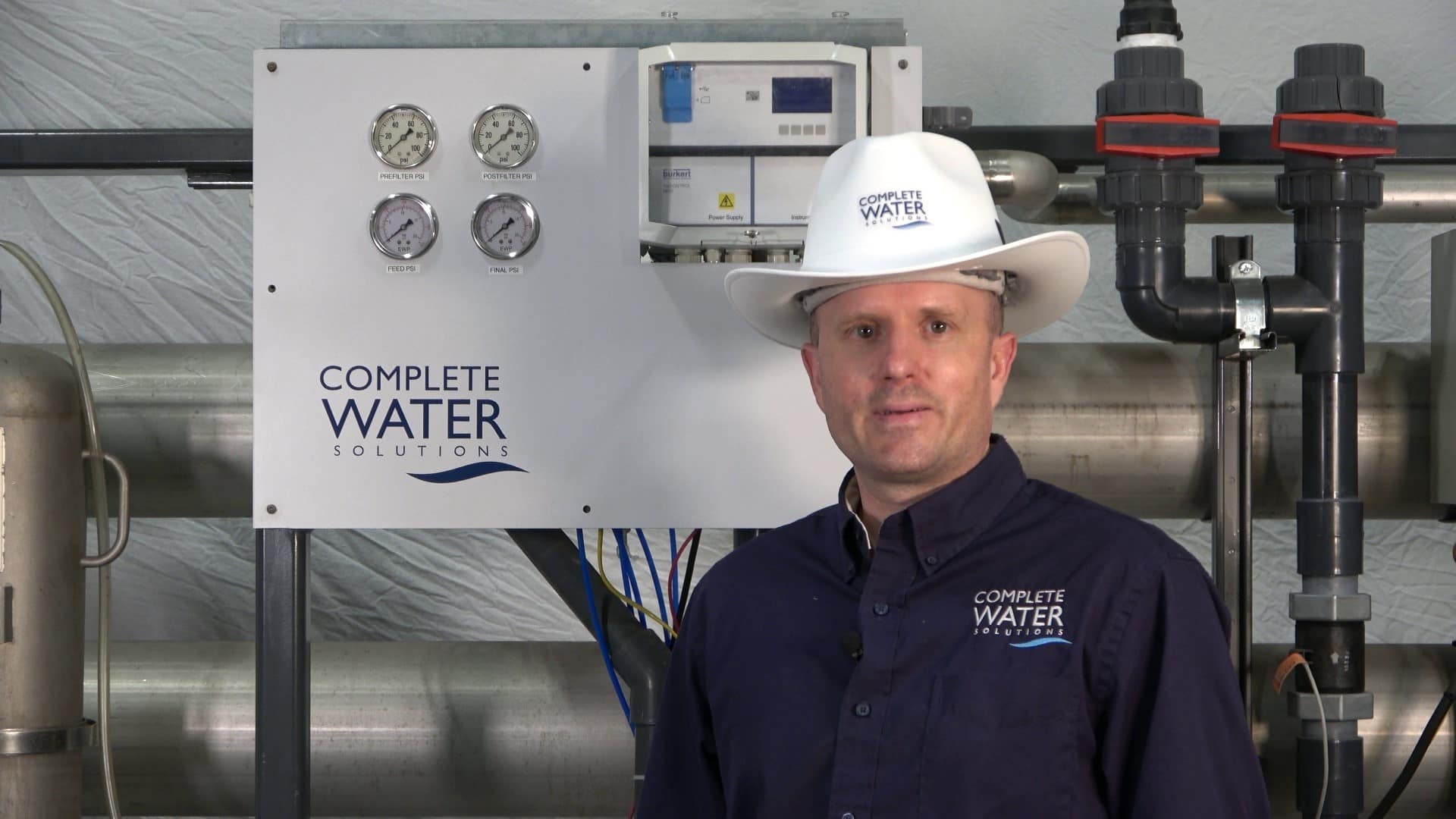
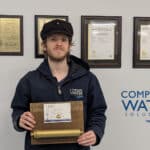
With over 30 years of hands-on experience in the water treatment industry, Nathan Olszak is a trusted water treatment expert. He specializes in designing, engineering, and servicing water treatment systems. As the owner of Complete Water Solutions, Osmonics, and Membrane Cleaning Pro, Nathan has built a reputation for delivering customized water treatment solutions that enhance efficiency, reliability, and water quality across various industries, including the medical, commercial, and manufacturing sectors.
Nathan’s journey in water treatment began as a service technician. He gained in-depth knowledge by working with all major brands of equipment, including Veolia, Suez, Bruner, Culligan, Pentair, Aquamatic, Osmonics, GE Water, Marlo, Lakeside, Fleck, Autotrol, US Filter, ION Pure, Siemens, Evoqua, and many others. This hands-on expertise, combined with his technical certifications, has made him a leader in water system engineering and water management.
Credentials & Expertise
- Certifications: David H. Paul Reverse Osmosis Certification, PLC Programming
- License: Power Plant Operating Engineer 3rd Class
- Specialties:
- Design & engineering of water treatment systems and advanced water systems
- Custom water filtration systems and solutions
- Installation, automation, and repair of water treatment systems
- Expertise in Reverse Osmosis (RO), Deionization, Water Softening, Carbon Filtration, Iron Filtration, UV Treatment, Ultrafiltration (UF), Process Filtration, CEDI/EDI, and more
- Specialized knowledge in Boiler Feed Water, Tower Makeup Water, and drinking water production for industries such as bottling, pharmaceuticals, and food processing
- Project management and reclaiming of water system waste for other uses
- Evaluation of raw water sources and potential contamination risks
- Industrial water treatment strategies to prevent corrosion and optimize system performance
- Boiler water treatment to enhance energy efficiency and system longevity
Nathan’s commitment to excellence extends beyond equipment sales and service. He works closely with clients to develop tailored water treatment services that optimize performance and meet their operations’ unique demands. His expertise covers methods that mitigate water impurities, ensure fresh water accessibility, and maintain regulatory compliance. It also includes the design of high-efficiency reverse osmosis systems for industrial use.
Nathan focuses on the latest technology in water conditioning, water softeners, filters, and pumps to improve maintenance and efficiency. His experience in laboratory testing and biofilm control ensures the highest industry standards in water treatment processes and water management.
Additionally, his deep understanding of infrastructure and water data analysis provides long-term, cost-effective solutions that promote health and safety. His expertise ensures that businesses receive top-tier, quality water treatment solutions.
For insights into the latest industry trends, innovations, and best practices, explore the Complete Water Solutions Blog, where Nathan shares valuable information on water filtration systems, sustainability, and water solutions engineering.
Give Us A Call (855) 787-4200 or Email info@complete-water.com